
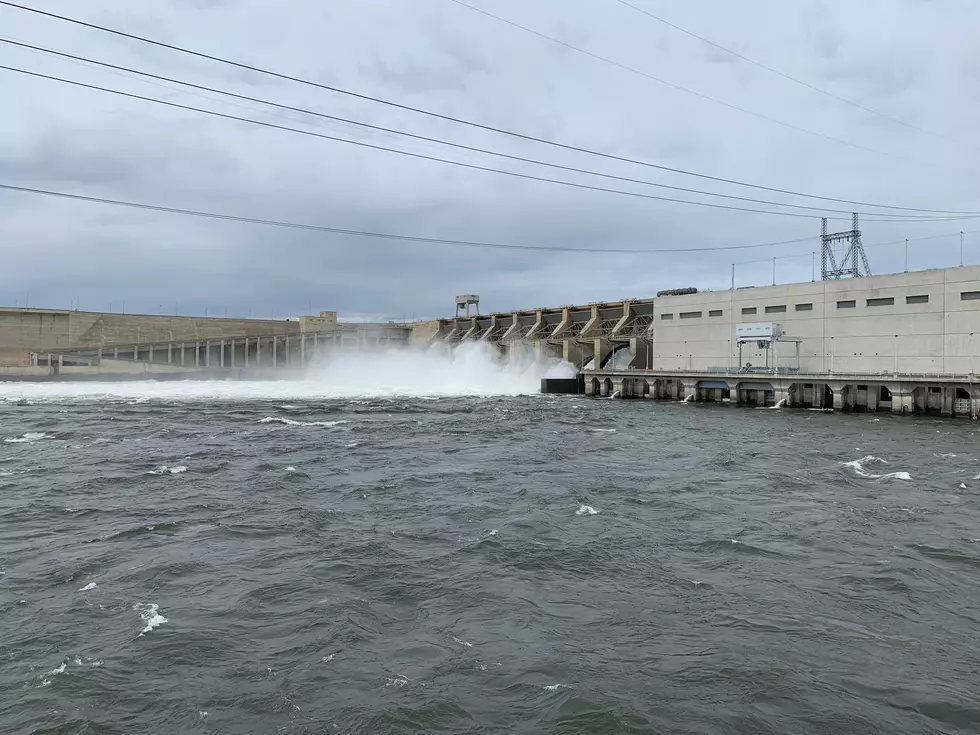
Judge Orders Spill Over Dams To Continue
A federal judge in Oregon has ordered changes to hydropower dam operations on the Columbia and Snake rivers, claiming current federal plans would further harm salmon runs that are, “disappearing from the landscape.”
District Judge Michael Simon ruled Wednesday that reservoir levels behind several dams must remain at last year’s levels, and that water spill requirements, which he said would help young salmon pass safely downstream, should continue.
The dams involved include Ice Harbor, Lower Granite, Bonneville and McNary.
The decision marks the latest chapter in a decades-long legal battle led by Oregon, Washington, Native American tribes, and conservation groups. They argue the dams kill migrating salmon in large numbers.
A 2023 agreement under the Biden administration promised $1 billion for salmon restoration and tribal clean energy projects, but the Trump administration later withdrew from that deal.
In his ruling, Simon criticized what he called years of government “avoidance and manipulation” instead of meaningful solutions.
The Ag Community Expresses Frustration
"We believe the court order to increase spill and lower reservoir elevations is simply manipulating the river system in a way that will appease environmental activists, but in the long term, threaten the overall viability of the Columbia-Snake River System,” said Washington Association of Wheat Growers Executive Director Michelle Hennings of this week's ruling.
“Once again, an activist judge is trying to dismantle the infrastructure Idahoans rely on by legislating from the bench,” said Idaho senator Jim Risch. “Congress authorized these dams, and only Congress has the authority to determine how they are managed. This decision disregards the essential role the lower Snake River dams play in our communities, and I will continue fighting to protect these vital resources.”

Plaintiffs Praise This Week's Ruling
"Judge Simon made the right call, and I concur with his repudiation of the Trump administration’s refusal to uphold salmon protections in the Columbia Basin,” Oregon Governor Tina Kotek said after Wednesday’s ruling. “This decision lets us move forward focused on what really matters – restoring fish populations, meeting energy demand, and building a clean energy future for the Pacific Northwest.
“This ruling establishes dam operations similar to those over the past five years, with some modest adjustments in spill and reservoir elevations to reduce the harm to migrating salmon and steelhead. Recent preliminary analysis by the Northwest Power and Conservation Council indicates this will have modest impacts on power generation, our ability to meet peak demand, and our region’s overall ability to maintain a reliable, affordable power system."
“This ruling affirms that federal agencies cannot continue business-as-usual dam operations while salmon slide toward extinction,” said Yakama Nation Chairman Gerald Lewis. “For the Yakama Nation, salmon are a Treaty-protected resource, and the law requires meaningful action to prevent further harm and to ultimately see them recover.”
“Increased spill and improved reservoir operations will help more young salmon survive this migration season,” said Jeremy Takala, Chair of the Yakama Tribal Council’s Fish and Wildlife Committee. “When salmon populations are this low, every year matters. These protections are urgently needed and will make a real difference in the river.”
“Long-term recovery will require durable, lawful solutions that fully honor treaty and trust obligations,” Chairman Lewis added. “Today’s decision ensures that meaningful protections are in place now, while that work continues.”
Click Here to read the judge's ruling.
If you have a story idea for the PNW Ag Network, call (509) 547-1618, or e-mail glenn.vaagen@townsquaremedia.com
More From News Talk KIT






![Here Are All the Rides at the Fair This Year! [GALLERY]](http://townsquare.media/site/139/files/2022/09/attachment-Rides-at-the-Fair.jpg?w=980&q=75)